 by adminminhdangvin
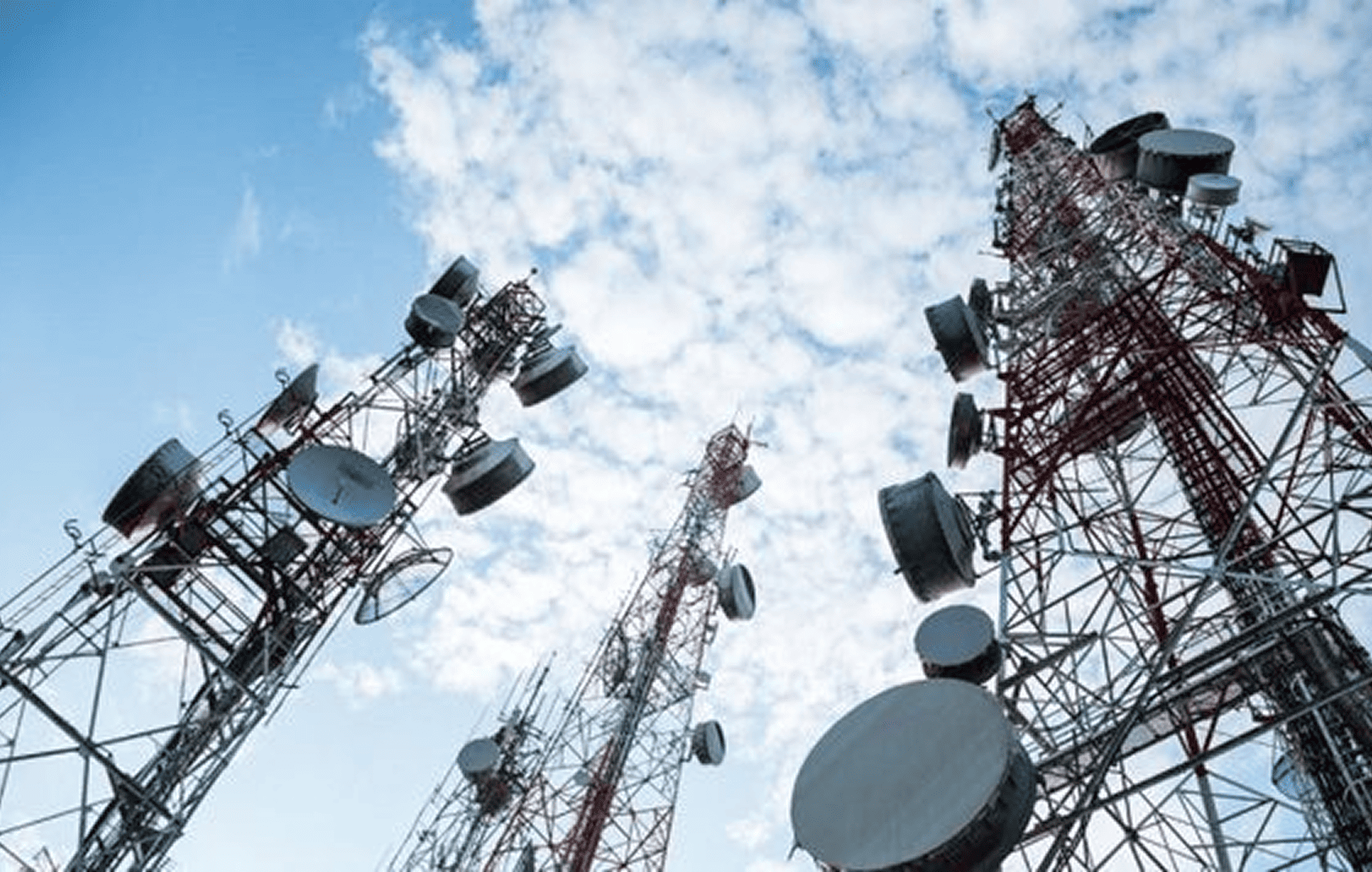
Telecommunications – Management and Development of Mobile Base Stations (BTS) in Vietnam
According to statistics from the International Telecommunication Union (ITU), as of the end of 2015, the number of mobile phone subscriptions worldwide had reached approximately 7.2 billion. With such a large number of subscribers, countries, especially major cities, have had to find ways to increase the density of base transceiver stations (BTS) to ensure coverage and service quality. In recent years, some countries have faced public reactions to mobile base stations due to concerns about their impact on health. The policies of these countries focus on establishing safety standards, providing safety guidelines, and conducting public awareness campaigns. Meanwhile, network operators have implemented measures such as public engagement, adopting suitable coverage technologies, and shielding BTS stations.
In Vietnam, the construction and development of BTS stations have also encountered some difficulties since 2006. This report reviews the scientific basis, the management practices of the Ministry of Information and Communications in recent years, and future management directions.
1. Scientific Basis
1.1. Global Perspective
Worldwide, the relationship between electromagnetic waves from mobile base stations and human health has been studied for a long time, yielding some findings. Based on a compilation of research results and evaluations from independent organizations (excluding studies from mobile operators and phone manufacturers to ensure objectivity and accuracy), the World Health Organization (WHO) has concluded that there is no evidence that electromagnetic fields from mobile base stations cause harmful effects on humans.
In June 2000, after conducting research, WHO summarized and affirmed:
“Based on current studies, there is no evidence to suggest that RF fields from mobile base stations cause adverse health effects in humans.” (WHO Fact Sheet No. 193, Electromagnetic fields and public health: mobile telephones and their base stations).
In June 2006, in its document on wireless technology and base stations (WHO Fact Sheet No. 304, Electromagnetic fields and public health – Base stations and wireless technologies), WHO reiterated:
“Given the very low exposure levels and research results collected so far, there is no convincing scientific evidence that weak RF signals from mobile base stations and wireless networks cause adverse health effects in humans.”
In October 2014, WHO released an updated document (WHO Fact Sheet No. 193 – Renewed Oct 2014) stating that there had been no new conclusions and that research on the subject was ongoing. WHO continues to develop guidelines and encourages dialogue among scientists, regulators, network operators, and communities to enhance understanding of the issue.
1.2. In Vietnam
In Vietnam, there has been no detailed research on the impact of BTS stations on human health. However, recognizing this as a global issue, the Ministry of Information and Communications aligns with WHO’s conclusions.
2. Standardization
Although there is no sufficient evidence to confirm that electromagnetic waves from BTS stations are harmful to human health, WHO still recommends that countries develop safety standards and guidelines. The WHO-recommended document for reference is the guideline from the International Commission on Non-Ionizing Radiation Protection (ICNIRP), titled Guidelines for limiting exposure to time-varying electric, magnetic, and electromagnetic fields up to 300 GHz. Many countries, including the United States, Japan, Australia, the United Kingdom, Singapore, Malaysia, China, and South Korea, have developed regulations based on this guideline.
In Vietnam, the Ministry of Science and Technology issued the Vietnamese Standard TCVN 3718-1:2005, Safety management in radiofrequency radiation fields – Part 1: Maximum exposure levels in the frequency range from 3 KHz to 300 GHz, based on WHO and ICNIRP recommendations.
In 2006, the Ministry of Information and Communications mandated the application of TCVN 3718-1:2005 for BTS stations. Specifically, the power density limit (S) for BTS stations was set at 2 W/m², which is considered quite safe compared to international recommendations (e.g., the US and Japan). The ministry also issued the National Technical Regulation QCVN 08:2010/BTTTT, which defines safety limits (per TCVN 3718-1:2005) and measurement methods for electromagnetic field exposure from BTS stations. These standards serve as the basis for technical inspections of mobile base stations to ensure electromagnetic radiation safety.
3. Management Activities of the Ministry of Information and Communications
Recognizing that the development of telecommunications infrastructure, including BTS stations, is essential for providing quality services while ensuring safety and urban aesthetics, the Ministry of Information and Communications has implemented strict management measures.
3.1. Regulatory Management
Before being deployed, all BTS station equipment (transmitters and receivers) must comply with corresponding technical standards and regulations. Additionally, BTS stations located within 100 meters of any building with residents or workers must meet the safety requirements outlined in QCVN 08:2010/BTTTT before being approved for operation. These requirements are enforced through Circulars 16/2011/TT-BTTTT, 17/2011/TT-BTTTT, and 18/2011/TT-BTTTT, issued on June 30, 2011.
As of 2015, over 60,000 BTS stations had been inspected and certified across the country. Measurements show that at distances of 30 meters or more from a standard BTS station, electromagnetic radiation levels remain within the limits specified by TCVN 3718-1:2005.
3.2. BTS Planning and Construction
The Ministry of Information and Communications issued Circular No. 14/2013/TT-BTTTT on June 21, 2013, guiding the planning and implementation of passive telecommunications infrastructure at the local level. The ministry also encourages operators to share infrastructure to reduce costs and maintain urban aesthetics. Additionally, in collaboration with the Ministry of Construction, the Ministry of Information and Communications developed Joint Circular No. 15/2016/TTLT-BTTTT-BXD, which provides guidelines for managing the construction of passive telecommunications infrastructure, including BTS stations. This regulation provides a legal framework for the construction of telecommunications infrastructure while ensuring quality, safety, environmental protection, and urban aesthetics.
3.3. Other Activities
The Ministry of Information and Communications has assigned provincial Departments of Information and Communications to coordinate with mobile service providers to address concerns regarding BTS station construction in residential areas.
The ministry has also directly handled several public concerns regarding health effects from BTS stations, providing scientific explanations and information to local communities and responding to parliamentary inquiries on this issue.
4. Conclusion
Based on scientific evidence from WHO, international and Vietnamese standards, and strict regulatory measures, it can be affirmed that BTS stations in Vietnam comply with electromagnetic radiation safety regulations.
Moving forward, the Ministry of Information and Communications will continue to monitor and update information related to scientific research from WHO.
The ministry also requires provincial Departments of Information and Communications and telecommunications companies to strictly adhere to its regulations and guidelines in developing telecommunications infrastructure, including BTS stations, to improve service quality while ensuring public safety and urban aesthetics.